


Introduction: The Digital Landscape of Nepal's Elections
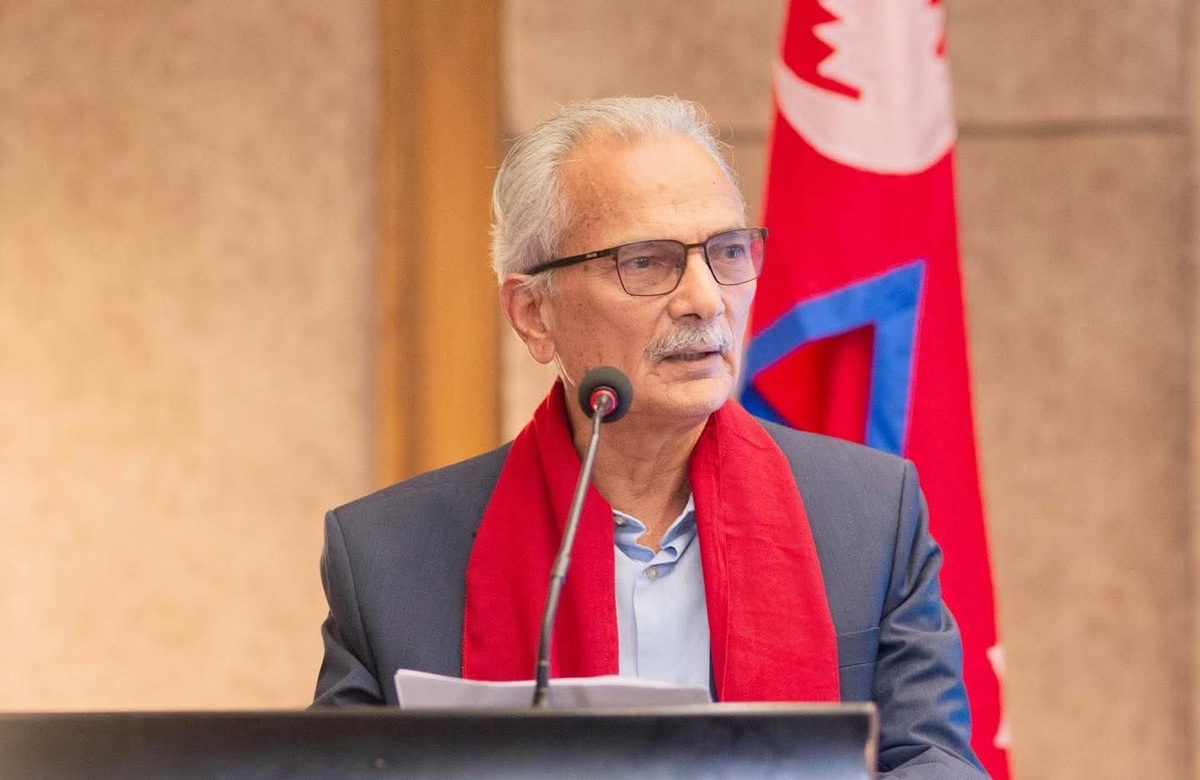
In an era where digital communication dominates public discourse, the recent House of Representatives election in Nepal has been notably shaped by the pervasive influence of social media, misinformation, and deepfake technology. Former Prime Minister Dr. Baburam Bhattarai underscored these issues during his address at the NXT 2026 Global Summit in New Delhi. His comments reflect a growing concern among political leaders regarding the impact of technology on democratic processes in the region.
The Role of Social Media in Shaping Public Opinion
Social media platforms have become the primary source of information for many voters in Nepal. With a significant portion of the population engaged online, these platforms facilitate the rapid dissemination of news and opinions. Dr. Bhattarai pointed out that while social media can empower voters by providing a space for diverse viewpoints, it also poses challenges related to the accuracy of information shared. The potential for misinformation to spread quickly can lead to misinformed voting decisions, influencing the overall outcome of elections.
Misinformation: A Double-Edged Sword
The spread of misinformation has emerged as a critical issue in Nepal's electoral landscape. Dr. Bhattarai highlighted instances where false information circulated on social media platforms affected public perceptions of candidates and parties. This misinformation often exploits existing societal divides, further complicating the political climate. The rapid pace at which information spreads means that voters may not have sufficient time to verify facts before making decisions, raising concerns about the integrity of the electoral process.
Deepfakes: The Next Frontier of Misinformation
Deepfake technology, which uses artificial intelligence to create realistic but fabricated video and audio content, poses a new threat to democratic processes. Dr. Bhattarai expressed alarm over the potential for deepfakes to mislead voters by fabricating statements or actions of political figures. The sophistication of these technologies makes it increasingly challenging for voters to discern fact from fiction, further undermining trust in the political system. As deepfakes become more prevalent, the need for robust fact-checking mechanisms and digital literacy becomes paramount.
Impact on Political Campaign Strategies
The rise of social media and misinformation has led political parties in Nepal to adapt their campaign strategies. Dr. Bhattarai noted that candidates are increasingly aware of the need to engage with voters online, utilizing social media to communicate directly and counter misinformation. This shift reflects a broader trend in which traditional campaigning methods are complemented by digital strategies aimed at reaching younger, tech-savvy voters. However, this also raises ethical questions regarding the authenticity of messages conveyed through these channels.
Regulatory Challenges and the Need for Action
The challenges posed by social media, misinformation, and deepfakes have prompted calls for regulatory measures to safeguard the electoral process. Dr. Bhattarai emphasized the importance of establishing frameworks that can effectively address these issues without infringing on freedom of expression. Policymakers face the daunting task of balancing the need for regulation with the fundamental rights that underpin democratic societies. Collaborative efforts involving