


Escalating Tensions: Iran's Response to U.S. Military Actions
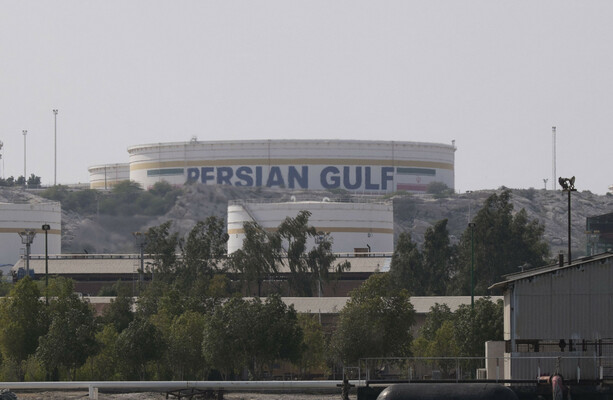
The geopolitical landscape in the Middle East has been further complicated by recent military actions between the United States and Iran. Following the U.S. bombing of facilities on Kharg Island, a critical hub for Iran’s oil exports, Iranian officials have issued stark warnings of potential retaliation. The Iranian government has threatened to reduce U.S.-linked oil facilities to a "pile of ashes," a statement that underscores the severity of the situation and its implications for global oil markets.
Kharg Island: The Heart of Iran's Oil Exports
Kharg Island plays a pivotal role in Iran's economy, as it serves as the primary terminal for the country's oil exports. The island is strategically vital, facilitating the shipment of millions of barrels of crude oil each day to international markets. Any disruption to operations at Kharg could have significant ramifications not only for Iran's economy but also for global oil supply chains, particularly in a market already sensitive to geopolitical tensions.
The Potential Impact on Global Oil Prices
As Iran's threats become more pronounced, analysts are closely monitoring the potential impact on global oil prices. Should Iranian officials follow through on their warnings, the ramifications could be immediate and severe. The oil market is notoriously reactive to geopolitical events, and an escalation in hostilities could lead to a spike in crude oil prices. Investors are bracing for volatility, with many speculating that prices could exceed recent highs if tensions escalate further.
U.S. Policy and Its Global Implications
The U.S. government's military actions in the region are rooted in a broader strategy aimed at curtailing Iran's influence and ensuring the stability of global oil markets. President Trump's administration has taken a hardline stance against Tehran, viewing it as a necessary step to counteract Iran's regional ambitions and its nuclear program. However, this approach has drawn criticism for potentially exacerbating tensions rather than fostering diplomatic solutions.
Iran's Economic Vulnerability and Strategic Calculations
Despite its threats, Iran faces significant economic challenges that could temper its response. The country has been grappling with the effects of extensive sanctions, which have severely restricted its oil exports and hampered economic growth. While the Iranian leadership may be inclined to retaliate against U.S. interests, the potential consequences of such actions could lead to further isolation and economic hardship. The delicate balance between maintaining national pride and safeguarding economic stability is a critical consideration for Iranian policymakers.
Market Reactions and Investor Sentiment
In the wake of these developments, market reactions have been swift. Oil futures have shown signs of upward pressure, reflecting investor concerns about potential supply disruptions. Traders are weighing the likelihood of continued conflict against the backdrop of an already tight oil market. With OPEC+ managing production levels and global demand rebounding from pandemic lows, any significant disruption in Iranian oil exports could lead to a supply shock, further complicating the market dynamics.